Why Commercial Interior Design Is Now a Strategic Marketing Tool
Commercial interior design is no longer just about making a space look attractive – it has become a powerful, strategic marketing tool that directly supports business growth. The way your premises look, feel and function now plays a major role in how customers perceive your brand, how long they stay, how much they spend, and whether they come back. From shaping your brand experience and influencing the customer journey, through to reinforcing your business image and creating lasting first impressions, commercial interior design is now firmly part of promoting your business, not an optional extra.
From “Nice to Have” to “Need to Have”: How Interior Design Sells for You
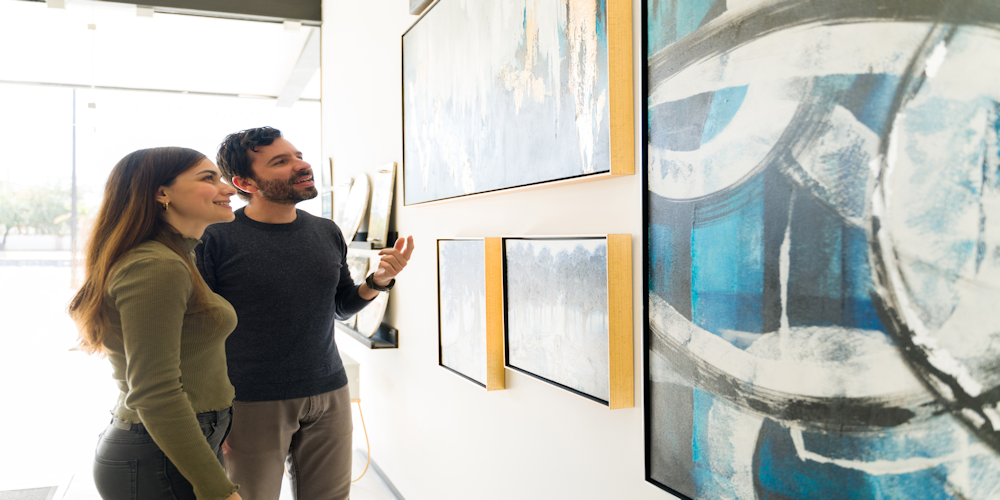
Interior design has moved from being a “nice to have” aesthetic upgrade to a “need to have” driver of sales and customer behaviour. Thoughtful, customer-focused interiors actively help to convert browsers into buyers by using principles of customer psychology and experiential design. In retail settings, layouts, lighting, colours and product displays can subtly guide people towards key products and encourage impulse purchases. In hospitality venues, comfortable, well-planned spaces increase dwell time and average spend. Even in offices and service environments, carefully considered design builds trust, supports client decision-making and enhances perceived value. In short, design that sells is design that is planned around how people think, feel and behave.
Branding Through Space: Turning Your Premises into a 3D Advertisement
Your interior is effectively your brand brought to life in three dimensions. Commercial interior design allows you to turn your premises into a continuous, three-dimensional advertisement that works every hour you are open. By weaving brand identity into every aspect of the space – from colour psychology and materials to logo placement, typography, signage and wayfinding – you create a consistent and recognisable branded environment. Visual merchandising, feature walls and storytelling through space help communicate who you are and what you stand for without saying a word. Every on-brand customer touchpoint, from the entrance to the payment area, reinforces familiarity and trust, making your business more memorable and distinctive.
Design That Drives Footfall: Standing Out on the High Street and Online
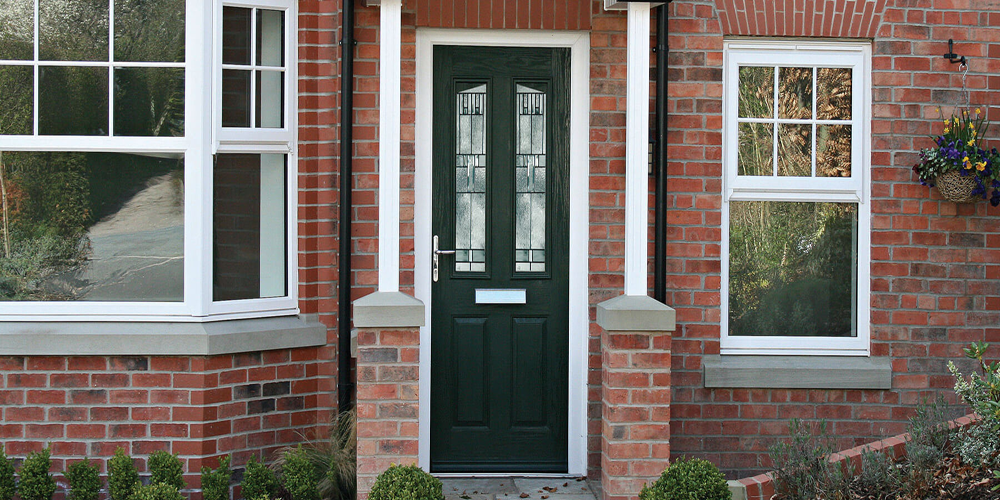
In a crowded market, design can be the difference between people walking past and people walking in. An eye-catching shopfront, well-composed window displays and strong kerb appeal stop people in their tracks and draw them towards your door. Exterior signage and lighting are crucial for attracting customers both day and night. Inside, instagrammable interiors and social media-worthy moments encourage customers to take photos and share their experience, giving you free online visibility and user-generated content. Well-designed locations become local landmarks and destinations in their own right, boosting local foot traffic whilst also strengthening your online presence.
Optimising Layout for Sales, Service and Staff Productivity
The way your space is planned and laid out has a direct impact on sales performance, customer service and staff productivity. Strategic store layout and product placement can lead customers on an intuitive journey, ensuring they see priority products and move smoothly through the space. Clear zoning, queue management and seating plans reduce frustration, improve service and help people navigate without confusion. In offices and workspaces, decisions around open-plan versus private areas, hot-desking, collaboration zones and ergonomic workstations influence how effectively teams work and how they feel at work. A well-designed layout supports operational efficiency, reduces bottlenecks and helps staff deliver a better experience for customers.
Creating Memorable Customer Experiences That Keep People Coming Back
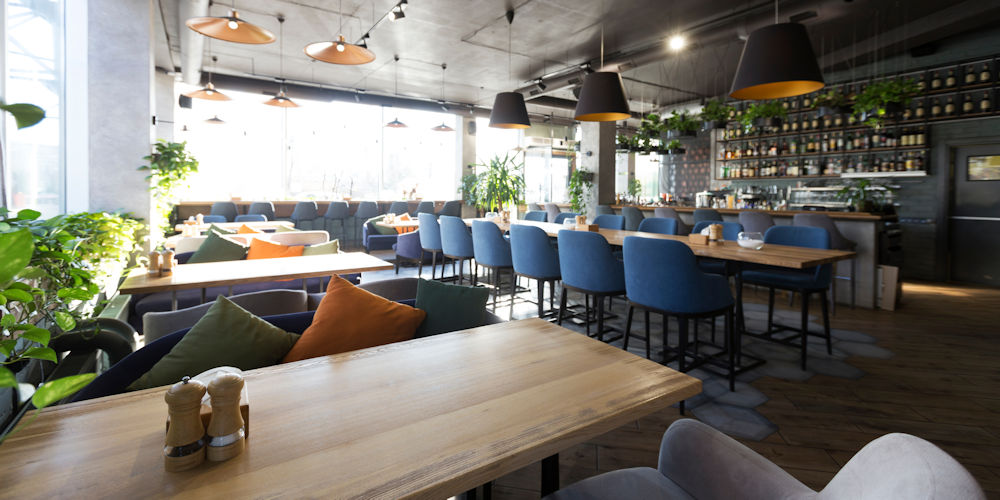
Today’s customers are looking for more than just products or services; they want an experience that feels memorable and enjoyable. Commercial interior design can craft this experience by addressing all the senses. Lighting design, acoustics, scent marketing, materials and furniture choices work together to create a specific mood and ambience. Hospitality-style service points, inviting waiting areas and relaxing environments make interactions feel smoother and more premium, even on a modest budget. When people feel comfortable, valued and relaxed in your space, they are more likely to stay longer, spend more and return in the future, driving repeat custom and long-term loyalty.
Using Commercial Interior Design to Support Your Marketing Campaigns
Your physical space can actively support and amplify your marketing campaigns. Campaign-driven design allows you to create seasonal displays, promotional zones and pop-up areas that highlight key offers or new product launches. In-store marketing, point-of-sale (POS) displays and flexible event spaces let you bring campaigns to life and create reasons for customers to visit in person. By aligning the design of your premises with your online and offline campaigns, you create a joined-up brand story that feels consistent and professional, increasing the impact of your marketing spend.
Digital Integration: Blending Technology with Interior Design to Promote Your Business
The most effective commercial interiors now blend physical design with digital technology. Integrated digital signage, interactive displays and screens for promotions help you deliver targeted messages and update offers quickly. QR codes in-store, click-and-collect areas and hybrid retail solutions link your physical premises with your website and social channels. Features such as booking kiosks, in-store navigation apps and live social media walls enhance the omnichannel experience, making it easier for customers to engage with your brand in whichever way suits them best. When technology is thoughtfully integrated into the design of the space, it feels seamless rather than intrusive and becomes another powerful marketing tool.
Measuring the ROI of Commercial Interior Design
Commercial interior design is an investment, and like any investment it should deliver a measurable return. You can track design ROI through a range of metrics, such as increased sales, higher average transaction values, improved conversion rates and greater footfall. Dwell time analytics and customer satisfaction scores reveal how people respond to the new environment, while staff retention and productivity can highlight improvements on the internal side. Design decisions can also generate cost savings through energy-efficient lighting and better use of space. When viewed over the long term, a well-planned interior can pay for itself many times over through a combination of higher revenue, lower costs and stronger customer loyalty.
Sustainable and Ethical Interiors as a Selling Point
Sustainability and ethics are now important factors in customer decision-making, and your interior can communicate your values at a glance. Sustainable commercial interiors that use eco-friendly materials, energy-efficient lighting and biophilic design not only reduce environmental impact but also enhance wellbeing and comfort. Wellbeing-focused spaces, natural elements and responsible sourcing contribute to your ESG credentials and strengthen your reputation as a socially responsible business. For increasingly conscious consumers, green branding and visible commitments to sustainability can be a powerful reason to choose you over a competitor.
Working with a Professional Commercial Interior Designer
To unlock the full strategic value of commercial interior design, it is often beneficial to work with a professional designer or design firm. An experienced commercial interior designer understands how to balance aesthetics, brand, customer psychology, regulations and budget. They will guide you through the entire process, from briefing and initial concept through to detailed design, planning permission, fit-out management and coordination with contractors. Professional support helps you avoid common pitfalls, manage costs effectively and ensure that every design decision supports your business goals rather than just following trends.
Practical Steps: How to Start Using Interior Design to Promote Your Business Today
You do not have to redesign everything at once to start benefiting from commercial interior design. Begin with a design audit, honestly assessing your current space and how well it supports your brand, customers and staff. Identify quick-win design updates and low-cost improvements that will have the greatest impact, such as better lighting, clearer signage or refreshed displays. Prioritise high-impact areas like entrances, reception points, checkout zones and key circulation routes. Decide where DIY changes are appropriate and where professional support will save you time, money and stress. From there, create a design roadmap that aligns with your wider business goals and prepares the groundwork for a more comprehensive transformation over time.
Make Your Space Your Strongest Salesperson with Commercial Interior Design
Your premises can be far more than just a place where business happens; they can actively attract, persuade and convert customers every day. By treating commercial interior design as a strategic marketing tool, you turn your space into a powerful marketing asset that strengthens your brand, sets you apart from competitors and supports long-term business growth. With the right design strategy – and, where needed, the guidance of a commercial interior designer – you can transform your environment into your strongest, most consistent salesperson, working for your business around the clock.