Why Buying Your First Piece of Original Art Matters
Buying your first piece of original art is more than just a decorative decision; it is a meaningful step towards creating a home that reflects who you are. Unlike mass-produced prints from high street shops, original artwork carries the energy, intention and personality of the artist who created it. Your first art purchase marks the moment you move from simply filling wall space to consciously choosing something that resonates with you on a deeper level. There are many reasons why you might buy original art: to express your taste, to support artists, to bring character to your home, or to begin a small but considered collection. The benefits of original artwork go beyond aesthetics – it can spark conversation, inspire you daily, and even become a cherished heirloom.
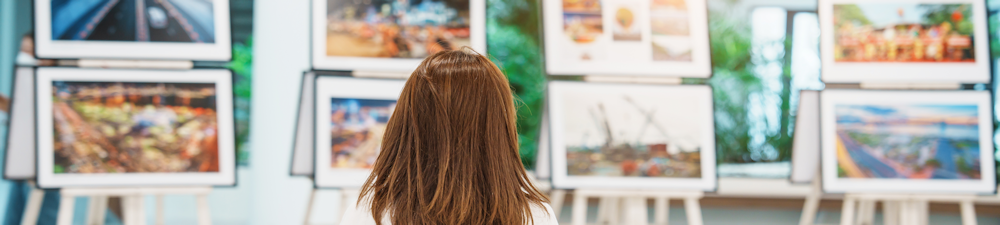
This beginner’s art buying guide is designed to help you take that first step with confidence and clarity, so your first piece feels exciting rather than intimidating.
Original Art vs Prints: Understanding What You’re Really Paying For
When you compare original art vs prints, you are essentially deciding between a one-of-a-kind object and a reproduced image that can exist in hundreds or thousands of identical copies. An original painting, drawing or mixed media piece is created directly by the artist’s hand, often with visible brushstrokes, texture and subtle details that simply don’t appear in a reproduction. Limited edition prints and fine art prints occupy a middle ground: they may be high-quality, carefully produced and signed by the artist, but they are still part of a set.
Understanding this difference helps you see what you are really paying for. With unique artwork, you are investing in something that no-one else owns, with its own story and presence. With art reproduction, you pay less but sacrifice that sense of exclusivity and authenticity. Neither choice is inherently wrong, but if you want a truly one-of-a-kind piece that carries the full value of original art, it is worth prioritising original works whenever possible.
Clarifying Your Taste: How to Discover the Art You Truly Love
Before you buy, it helps to clarify your taste so you are choosing art you genuinely love rather than what you think you “should” like. Start by paying attention to what catches your eye, both online and in real life: are you drawn more to contemporary art with bold colours and experimental forms, or to quieter, more traditional pieces? Notice whether abstract art, with its shapes, textures and moods, appeals to you more than figurative art that depicts people, or landscape art that captures places and nature. Think about art for your home specifically – what feelings do you want in your living room, bedroom or workspace? Calm and soothing, or dynamic and energising?
By browsing galleries, saving images on social media, and visiting exhibitions, you will gradually see patterns in your preferences. This process of finding your art style is personal and ongoing, but even a little reflection will help you choose artwork that feels authentic to you rather than random or purely decorative.
Setting a Realistic Budget Without Compromising on Quality
One of the biggest questions for first-time buyers is how much to spend on art. The good news is that there is plenty of affordable original art available if you know where to look and how to set a sensible art buying budget. Start by deciding a price range that feels comfortable – whether that is under £100, £250, £500 or more – and remember that buying original art does not have to mean spending thousands. Consider what value for money means to you: perhaps you would rather buy a smaller but higher-quality piece from an emerging artist than a large, lower-quality work.
Think of it as investing in art that will bring you long-term enjoyment, rather than a quick, disposable purchase. By being clear about your budget from the outset, you can explore art price ranges confidently and focus on pieces that are realistically within reach, without feeling that you are compromising on quality or taste.
Where to Buy Your First Piece of Original Art (Online and Offline)
There have never been more options for where to buy original art, both online and offline, especially in the UK. Online art galleries and curated platforms make it easy to browse hundreds of artists from the comfort of your home, often with filters for size, style, price and medium. Many artists now sell directly through their own websites and social media, allowing you to communicate with them and sometimes commission custom pieces. Offline, local art galleries, artist open studios and art fairs across the UK offer the chance to see work in person, appreciate texture and colour accurately, and speak directly with artists or gallery staff.
Buying art directly from artists can be particularly rewarding, as you are supporting local talent and hearing the story behind the work. When buying art online, take a little extra care: check reviews, look for clear photographs, read return policies and make sure you are buying art online safely from reputable sellers.
How to Tell if a Piece of Art is “Worth It” for You
Deciding whether a particular piece is “worth it” is ultimately a personal judgement, but there are several factors that can guide you. First, pay attention to your emotional connection to the art: does it move you, make you think, or give you a feeling you would like to live with every day? That emotional response is often the strongest indicator of value. Next, consider the quality of the artwork itself – look at the materials used, the level of skill, and the overall finish.
You may also factor in the artist’s reputation and potential: emerging artists can offer excellent value, as their prices are often lower while their careers are still growing. Think about whether you can imagine living with the piece for years, and whether it will still feel meaningful or interesting over time. When these elements align – emotional impact, solid quality, and long-term enjoyment – the artwork is likely worth the investment for you.
Understanding Sizes, Mediums and Materials Before You Commit
Before committing to a purchase, it helps to understand art sizes, mediums and materials so you know exactly what you are buying. Size affects not only how the piece looks in your space but also how much presence it has – a small original drawing might be perfect for a reading nook, while a larger canvas can anchor a living room. Mediums such as oil, acrylic, watercolour and mixed media each have their own character: oil paints often have rich depth and a slower drying time, acrylics are versatile and durable, watercolours can feel light and delicate, and mixed media pieces can be highly textured and experimental.
Materials matter too: canvas vs paper, framed vs unframed, and the quality of those materials will influence both the visual impact and the longevity of the work. Taking a little time to understand what appeals to you in terms of medium and material will help ensure your first piece is both beautiful and practical.
Making Sure It Fits: Matching Art to Your Space and Lifestyle
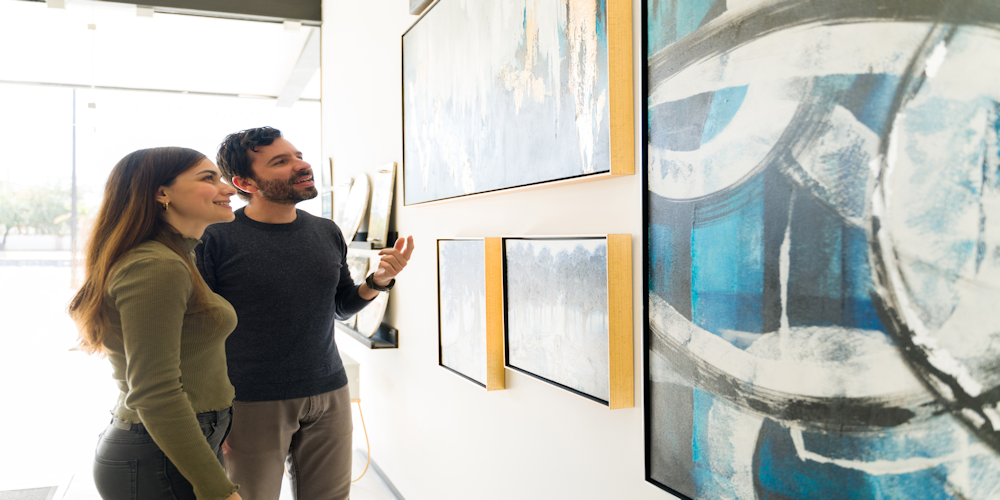
Choosing art for your home is not just about what you like; it is also about how the piece will fit into your space and everyday life. Think about where the artwork will hang – art for the living room might need to hold its own as a statement piece, while art for small spaces could be more intimate or subtle. Consider your existing interior design and how the colours, style and mood of the piece will interact with your furniture, lighting and architecture. Practicalities matter as well: how high will you hang the artwork, and is the wall strong enough to support it?
Would a gallery wall of several smaller pieces suit your lifestyle better than one large statement work? By thinking through art placement and how you use your rooms, you can choose art that not only looks good but also enhances the way you live in your home.
Authenticity, Certificates and Provenance: Protecting Your Purchase
When buying original art, it is important to protect your purchase by understanding authenticity, certificates and provenance. A certificate of authenticity is a document issued by the artist or gallery confirming that the work is an authentic original, often including details such as the title, date, medium, dimensions and signature. Provenance refers to the documented history of the artwork – where it has been exhibited, who has owned it, and any relevant records that trace its journey. These elements become increasingly important if you plan to build a collection or consider long-term value.
To avoid fake art, buy from reputable sellers, galleries or directly from artists, and do not hesitate to ask questions about the work’s background. Signed artwork and proper documentation give you peace of mind that you own a genuine piece, not a copy passed off as original.
Negotiating, Payment Options and Shipping: The Practical Side of Buying Art
There is a practical side to buying art that often goes unspoken, but understanding it can make your first purchase smoother. In many cases, especially with galleries and at art fairs, there is room for politely negotiating art prices, particularly on higher-value pieces or when buying more than one work. Learning how to negotiate with galleries respectfully – for example, asking if there is any flexibility rather than demanding a discount – can help. Payment options vary too: some sellers offer art instalment plans, allowing you to pay over several months, which can bring a higher-priced work within reach.
For buyers in the UK, consider the logistics of art shipping, including packing and delivery, insurance during transit, and any customs and duties if the work is coming from abroad. Clear communication about these details upfront will help you avoid surprises and ensure your new artwork arrives safely.
Looking After Your First Piece of Original Art
Once your artwork is home, looking after it properly will help it stay beautiful for years to come. Basic art care includes framing original art with suitable materials, such as acid-free mounts and, where appropriate, UV glass to protect against fading. Think carefully about where you hang the piece: avoid direct sunlight, excessive humidity and very hot or cold spots, as these conditions can damage both paint and paper over time. Hanging art safely with the correct fixings and supports reduces the risk of accidents.
Light dusting with a soft cloth and avoiding harsh cleaning products are usually enough for general maintenance, while anything more complex is best left to a professional conservator. Understanding these art conservation basics will give you confidence that you are protecting both the aesthetic and potential financial value of your first original work.
The Emotional Payoff: How Original Art Transforms Your Home and Mindset
Living with original art can have a surprisingly powerful emotional impact. A piece you have chosen thoughtfully does more than fill a blank wall – it becomes part of your daily environment and, over time, part of your story. Art that inspires you can lift your mood, spark ideas, or simply offer a moment of calm each time you glance at it. Many people find that having meaningful art at home supports their sense of wellbeing and self-expression, as it reflects their tastes, memories or values in a way that off-the-shelf décor cannot.
Each original artwork contributes to a unique home decor that feels personal and lived-in rather than generic. The personal connection to art you have chosen yourself is what turns a house into a space that truly feels like yours.
From One Piece to a Collection: Planning Your Next Confident Purchase
Your first purchase often opens the door to a lifelong interest in collecting. Once you have lived with one piece you love, you may start to imagine how other works could complement it. Starting an art collection does not mean buying constantly or spending large sums; it simply means building a considered selection over time.
As a beginner art collector, you might focus on collecting emerging artists whose work speaks to you and whose prices are still accessible. Think about how different pieces relate to each other in terms of style, colour, theme or mood, and gradually curate your collection so it feels coherent rather than random. With each new purchase, your confidence grows, and you begin to think not only about immediate enjoyment but also about long-term art investment and how your collection reflects who you are.
Why Now is the Perfect Time to Buy Your First Piece of Original Art
There has never been a better moment to take the leap and buy original art. With so many ways to discover and purchase work – from local studios to global online platforms – first-time art buyers have more choice, information and flexibility than ever before. By understanding the basics of value, authenticity, budgeting and care, you can approach your first purchase with genuine confidence.
You are not just buying an object; you are supporting artists, enriching your daily environment, and starting an art journey that can bring you pleasure for years to come. Choosing a piece you truly love today is the first step towards a home – and a life – made more vivid, thoughtful and uniquely your own.