Why Deep Tissue & Sports Massage Could Be What Your Body Needs
If you are living with persistent aches, stiffness, or recurring niggles that never quite go away, deep tissue and sports massage could be exactly what your body has been missing. Far more than just a “treat” or a luxury spa add-on, these targeted, hands-on therapies are designed to work on the deeper layers of muscle and soft tissue, helping to tackle the root causes of pain and restriction rather than simply masking the symptoms.
Whether you are training for an event, lifting at the gym, sitting for long hours at a desk, or simply feeling the effects of everyday stress, deep tissue and sports massage can support faster muscle recovery, provide effective pain relief, and improve the way your body moves. For many people in the UK, they have become a key part of a long-term strategy for staying active, mobile and comfortable well into later life.
What Is Deep Tissue & Sports Massage? Understanding the Difference and When to Choose Each
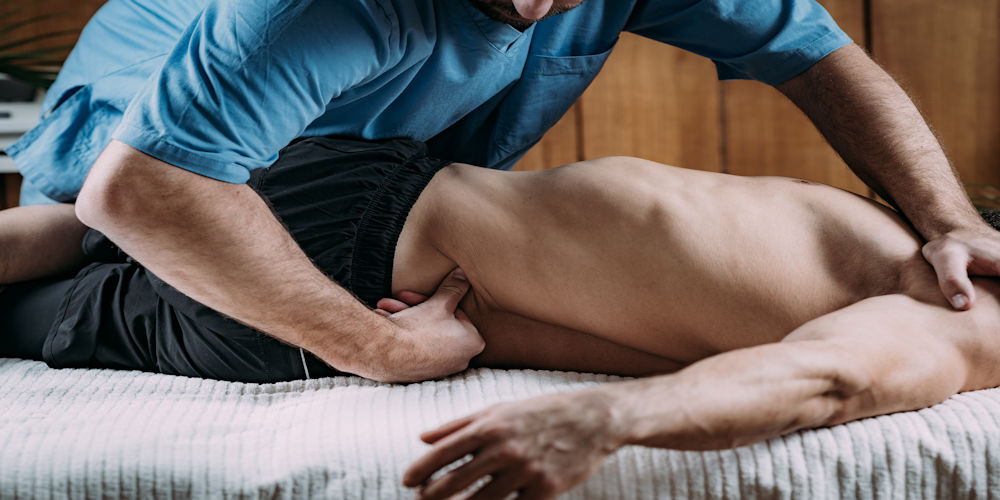
Deep tissue massage is a form of therapeutic massage that focuses on the deeper layers of muscles and connective tissue. Using slower, more intense strokes and sustained pressure, it aims to release chronic muscle tension, break down adhesions (often felt as “knots”), and improve mobility in areas that feel tight, stiff or painful. Techniques such as myofascial release and targeted soft tissue therapy are often used to ease restrictions in the fascia – the network of connective tissue that surrounds and supports your muscles.
Sports massage, on the other hand, is specifically tailored to people who are physically active – from elite athletes to casual runners and weekend gym-goers. It combines a range of remedial massage and soft tissue therapy techniques to help prepare the body for exercise, support performance during training blocks, and speed up recovery afterwards. Sports massage can focus on particular muscle groups used in your sport, help address muscle imbalances, and reduce the risk of sports-related injuries.
Deep tissue vs sports massage: which should you choose? If you are dealing with long-standing muscular pain, posture-related tension or general tightness, deep tissue massage may be the ideal option. If you are training regularly, dealing with sports injuries, or want to enhance performance and prevent future problems, sports massage is often more appropriate. In many UK clinics, therapists blend both approaches, offering a tailored session that incorporates elements of therapeutic and remedial massage depending on your specific needs and goals.
Key Benefits: How Deep Tissue & Sports Massage Help Reduce Pain, Improve Performance and Prevent Injury
The benefits of deep tissue and sports massage extend far beyond feeling “looser” for a day or two. When delivered by a qualified therapist, these treatments can play a meaningful role in pain management, rehabilitation and long-term physical wellbeing.
By working into tight or overworked muscles, deep tissue massage helps reduce muscle tension, ease chronic pain and restore normal movement patterns. It can be particularly helpful for people struggling with persistent back or neck pain, shoulder discomfort, or tight hamstrings and calves. Improved circulation is another key benefit: increased blood flow brings vital oxygen and nutrients to muscles, helping them recover more quickly from strain or intense exercise.
Sports massage offers additional, performance-focused advantages. By addressing muscle imbalances and areas of excessive tightness, it can improve flexibility and joint range of motion, allowing you to move more efficiently and powerfully. Enhanced flexibility and better movement patterns, in turn, support injury prevention – especially important for runners, cyclists, weightlifters and anyone who trains regularly. Many athletes also find that incorporating regular sports massage helps them train harder, recover faster, and maintain a higher level of performance over the long term.
Who Can Benefit: Not Just for Athletes – Everyday People Who Need Deep Tissue & Sports Massage
Although the term “sports massage” might sound like it is reserved for serious athletes, the reality is that these treatments are suitable for a wide range of people, including those who never set foot on a track or in a gym. Office workers who spend long hours at a desk often develop posture-related pain, tight shoulders, and lower back discomfort; targeted massage can help relieve these issues and counteract the strain of prolonged sitting.
People who enjoy recreational exercise – runners, gym-goers, cyclists, walkers and fitness class enthusiasts – can all benefit from massage to support recovery and prevent minor niggles turning into more significant injuries. Deep tissue massage can be particularly valuable for individuals living with chronic pain conditions or long-term muscular tension, helping to ease discomfort and improve day-to-day function.
Even if your main concern is stress, anxiety or general tension, these more focused treatments can make a noticeable difference. Stress often shows up physically in the body as clenched jaws, tight necks or hunched shoulders. A well-judged, firm massage can provide both physical and mental relief, helping you unwind and feel more at ease in your body. Across the UK, more and more non-athletes are discovering that deep tissue and sports massage are not indulgences, but practical, accessible tools to support better health and quality of life.
Common Issues Treated by Deep Tissue & Sports Massage
Deep tissue and sports massage can address a broad range of common musculoskeletal complaints. Back and neck pain, often linked to poor posture, heavy lifting or repetitive movements, respond well to targeted soft tissue work. Tight hamstrings, hip flexors and calves – frequent problems for runners, cyclists and office workers alike – can be eased with specific stretching and deep pressure techniques.
Shoulder tension, sometimes associated with desk work, driving, or overhead sports, can be reduced by releasing the surrounding muscles and fascia. Sports injuries such as strains, sprains, and overuse problems often benefit from careful, progressive soft tissue therapy as part of a wider rehabilitation plan. Massage can also help with muscle knots, sciatica-like symptoms (when muscular tension irritates the sciatic nerve), and repetitive strain injuries in the wrists, forearms and shoulders.
Many people experience DOMS (delayed onset muscle soreness) after training or trying a new form of exercise; sports massage can help alleviate this by improving circulation and promoting faster recovery. Tension headaches, frequently driven by tight muscles in the neck, shoulders and upper back, can also be relieved when these underlying areas of tightness are addressed.
What to Expect in a Deep Tissue & Sports Massage Session
If it is your first massage appointment, it is normal to feel a little unsure about what to expect. A good therapist will begin with a consultation and assessment, asking about your medical history, current symptoms, lifestyle, and what you would like to achieve from treatment. They may perform some simple movement or posture checks to identify areas of restriction or imbalance.
During the session, your therapist will explain which areas they plan to work on and why. You will usually be asked to undress to your underwear or to a level you are comfortable with, and you may be given shorts to wear for a sports massage. Only the area being treated will be uncovered, and professional draping with towels or sheets is standard.
Pressure levels will be discussed with you so the therapist can work deeply enough to be effective, but never in a way that feels unsafe or overwhelming. Techniques may include slow, firm strokes, targeted pressure on specific knots, stretching, joint mobilisation and myofascial release. A typical sports massage session in the UK can last anywhere from 30 to 60 minutes, depending on whether you are having a focused treatment on one area or a more comprehensive full-body session. At the end, your therapist will often provide aftercare advice, such as simple stretches, hydration guidance, and recommendations on when to book your next appointment.
Are Deep Tissue & Sports Massage Painful? Myths, Truths and Finding the Right Pressure
One of the most common questions people ask is, “Does deep tissue massage hurt?” or “Is sports massage supposed to be painful?” There is a persistent myth that these treatments must be extremely painful to be effective, but this is simply not true. While you might experience some level of discomfort, particularly when working on very tight or sensitive areas, the pressure should always feel manageable and within your tolerance.
A skilled therapist will aim for a sensation often described as “good pain” or “therapeutic discomfort” – intense enough that you feel something is being worked on, but not so strong that you are tensing up, holding your breath or wanting to pull away. Communication with your therapist is essential. You should feel able to say if something is too much, too little, or if a particular area feels different.
Some people may notice mild soreness or tenderness after a deep tissue or sports massage, similar to the feeling after a good workout. This is usually temporary and can be eased with gentle movement, stretching and adequate hydration. Significant bruising is not a normal or necessary part of treatment and should be discussed with your therapist if it occurs. When carried out by a properly trained professional, sports and deep tissue massage are safe, controlled therapies that respect your body’s limits.
Techniques Used in Deep Tissue & Sports Massage
Deep tissue and sports massage draw on a wide range of advanced massage techniques to achieve their effects. Trigger point therapy involves applying focused pressure to specific points within a muscle that refer pain or discomfort to other areas, helping to release stubborn knots. Myofascial release works on the connective tissue surrounding muscles, using sustained, gentle pressure to reduce restrictions and improve overall mobility.
Cross-fibre friction is a technique where the therapist works across the grain of the muscle or tendon to break down adhesions and encourage healthy tissue repair, often used around old injuries or areas of scar tissue. Various stretching techniques – including passive and active stretches – help lengthen shortened muscles and improve flexibility.
Joint mobilisation involves gently moving a joint through its range of motion to reduce stiffness and improve function, often used around shoulders, hips, and the spine. Neuromuscular techniques target specific points along nerves and muscles to relieve pain and restore proper function. Together, these forms of soft tissue manipulation create a comprehensive, tailored approach to addressing your unique movement and pain patterns.
How Often Should You Book Deep Tissue & Sports Massage for Best Results?
The ideal frequency of treatment depends on your goals, lifestyle and current physical condition. If you are preparing for an event or in a heavy training phase, you might benefit from more regular sports massage – for example weekly or fortnightly – to keep on top of tension, support recovery, and prevent small issues from developing into injuries. Pre-event massage can be used to prepare the body before a race or competition, while post-event massage helps clear waste products and reduce post-exercise soreness.
For general maintenance, many people find that a massage every three to four weeks is enough to manage tension and keep them feeling mobile. If you have a specific issue, such as persistent back pain or a recent injury, your therapist may recommend a short course of more frequent sessions initially, followed by less frequent maintenance appointments once things have improved.
Weekly vs monthly massage will depend on your budget, schedule and how your body responds. Regular massage, even at longer intervals, offers benefits that build over time, supporting better posture, fewer flare-ups of pain, and improved overall wellbeing. A good therapist will help you create a realistic, long-term recovery and maintenance plan tailored to your needs.
Deep Tissue & Sports Massage vs Other Treatments: Physiotherapy, Chiropractic and Relaxation Massage
With so many hands-on therapy options available, it can be difficult to know which is best for you. Physiotherapy typically focuses on diagnosing and rehabilitating injuries and movement problems, often combining hands-on treatment with specific exercises and rehabilitation programmes. It is particularly useful for more complex injuries, post-surgical recovery, and conditions that need structured rehab.
Chiropractic care tends to concentrate on the spine and nervous system, often using spinal adjustments and manipulations to improve joint function and reduce pain. Many people find chiropractic helpful for certain types of back and neck issues, particularly where joint dysfunction is a key factor.
Deep tissue and sports massage focus primarily on the muscles, fascia and soft tissues, delivering targeted, hands-on work to improve tissue quality, reduce tension and optimise movement. They can sit comfortably alongside physiotherapy or chiropractic care as complementary therapies, supporting and enhancing the effects of those treatments.
Compared with Swedish or relaxation massage, deep tissue and sports massage usually involve firmer pressure, more specific techniques, and a clearer focus on therapeutic outcomes rather than purely relaxation. That said, many people still find them deeply relaxing, as the release of tension can bring both physical and mental relief. The question “Which treatment is best for me?” often has a personalised answer; discussing your symptoms, goals and preferences with a professional can help you choose the most suitable option or combination.
Choosing the Right Deep Tissue & Sports Massage Therapist in the UK
To get the best results – and to ensure your safety – it is important to choose a properly qualified sports or deep tissue massage therapist in the UK. Look for practitioners who hold recognised qualifications in sports massage, remedial massage or soft tissue therapy, and who are members of professional bodies or associations. Professional accreditation indicates that the therapist has met certain training standards and is committed to ongoing development.
Make sure your therapist is fully insured and practising within a reputable massage clinic or appropriate setting. Checking online reviews, testimonials and recommendations from friends, colleagues or your coach can give you an idea of their reputation and results. It is perfectly reasonable to ask questions before booking, such as:
– What qualifications do you hold?
– How much experience do you have with my type of issue or sport?
– What can I expect in a typical session?
A good therapist will answer openly and clearly, explain their approach, and ensure you feel comfortable and informed before starting treatment. Choosing someone local can make it easier to commit to regular sessions and incorporate massage into your ongoing health routine.
How to Prepare for Your Appointment and Maximise the Benefits Afterwards
A few simple steps before and after your massage can significantly enhance the benefits. Before your appointment, try to stay well hydrated and avoid very heavy meals or intense exercise immediately beforehand. Wear comfortable clothing, and if your therapist has advised particular shorts or sportswear, bring these with you. Arrive a little early so you have time to complete any forms and discuss your needs without rushing.
After your massage, drinking water can help your body process the metabolic waste released during treatment. You may be given stretching or gentle movement exercises to do at home; following this aftercare advice can prolong the positive effects of the session. Some people feel slightly tired or sore for a day or so, especially after a deep treatment; this is usually a normal response and settles quickly.
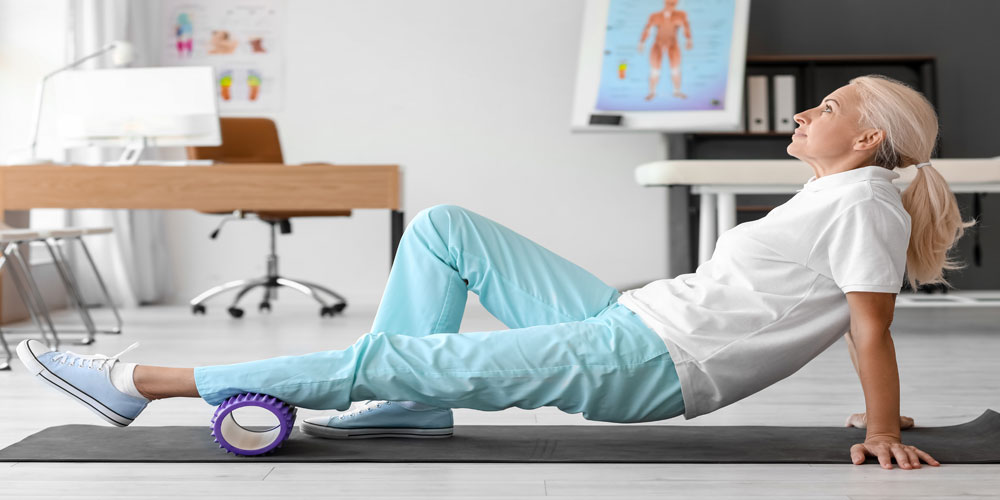
Building a simple recovery routine – including regular stretching, movement breaks if you sit a lot, and perhaps other self-care practices such as foam rolling or gentle mobility work – can help your results last longer between sessions. Over time, combining massage with sensible lifestyle changes – like better workstation ergonomics, improved training habits, and stress management – can transform the way your body feels and functions.
Costs, Sessions and What to Look for in Packages and Offers
In the UK, the cost of sports or deep tissue massage can vary depending on location, therapist experience and session length. Prices are often structured by time – for example, 30, 45 or 60-minute appointments – with longer sessions costing more but allowing for more comprehensive treatment. Many clinics offer treatment packages or block bookings at a reduced rate, which can provide better value if you plan to attend regularly.
When comparing prices, consider not just the cost per session but also the value for money in terms of qualifications, experience and the quality of care provided. Some private health insurance policies or workplace wellbeing schemes may contribute towards sports or remedial massage, particularly if it is part of a treatment plan for a specific issue. It is worth checking with your insurer or employer to see what support might be available.
Look for clear information about pricing, cancellation policies and what is included in each session. Transparent communication is a good sign that a clinic is professional and client-focused.
Why Booking a Deep Tissue & Sports Massage Now Is One of the Smartest Investments in Your Body
Leaving pain, stiffness or recurring niggles until they become serious problems can end up costing you more time, money and energy in the long run. Booking a deep tissue or sports massage now is a proactive way to invest in your health, helping you address underlying issues before they escalate. By improving mobility, easing discomfort and supporting recovery, massage can enable you to train more consistently, perform better at work, and enjoy everyday activities with greater ease.
Increased flexibility, better posture, and long-term pain relief all contribute to a higher quality of life. For many people, regular massage becomes as essential as going to the gym, eating well, or looking after their mental health. Whether you are an athlete aiming for peak performance or simply someone who wants to move without pain, this is a practical, evidence-informed way to support your body.
If you are in the UK and looking for a way to start your recovery journey, consider booking an appointment with a reputable local sports massage or deep tissue clinic. A relatively small investment of time and money now can pay significant dividends in how you feel, move and perform for years to come.