Sports Injury Recovery & Treatment Options
Sports injuries can be a major setback for athletes and fitness enthusiasts alike. Whether you’re a seasoned professional or just beginning your fitness journey, the risk of injury is always present. A sudden ankle twist, sharp knee pain, or a lingering shoulder strain can stop you in your tracks when you least expect it. Fortunately, understanding sports injuries and the recovery options available can help you get back to doing what you love, safely and confidently.
From time-tested treatments like rest and ice to modern therapies such as massage therapy, there are many effective paths to healing. This blog explores common sports injuries, proven treatment strategies, and practical ways to prevent future injuries. We’ll also highlight the importance of mental well-being during recovery, because healing isn’t just physical, it’s emotional too.
Whether you’re currently sidelined or looking to protect yourself moving forward, read on. Your road to full recovery starts here.
Understanding Common Sports Injuries
Sports injuries come in many forms, each presenting unique challenges. Sprains and strains are among the most common. Sprains occur when ligaments are stretched or torn, while strains affect muscles or tendons.
Tendonitis is another frequent issue, often caused by repetitive motion. It commonly affects areas such as the shoulder, elbow, or knee and can worsen if left untreated.
Fractures are also a concern, particularly in high-impact sports. These injuries range in severity but require immediate medical attention to ensure proper healing.
Lower back pain is another widespread complaint among athletes of all levels. Poor posture, muscle imbalances, and improper technique often contribute to this condition over time.
Recognizing injuries early is essential for effective treatment and faster recovery. Listening to your body’s warning signs can prevent minor issues from becoming long-term problems.
The Importance of Proper Treatment and Recovery
Proper treatment and recovery are critical following a sports injury. Returning to activity too soon can lead to chronic pain or further damage. Understanding and respecting your body’s healing process is key.
Early intervention often determines long-term outcomes. Ignoring pain or skipping recommended treatments can significantly extend recovery time.
A structured rehabilitation plan not only promotes physical healing but also restores confidence. Athletes who follow guided recovery programs are less likely to fear re-injury when returning to their sport.
Recovery isn’t purely physical, it’s mental as well. Taking the time to heal properly helps rebuild both strength and trust in your body, laying the groundwork for long-term success.
Traditional Treatment Options
Traditional treatment methods remain the foundation of sports injury recovery. The most common approaches include rest, ice, physical therapy, and, in some cases, surgery.
A. Rest and Ice
Rest is essential for allowing injured tissues to heal. Continuing activity through pain can worsen the injury and delay recovery.
Ice therapy helps reduce inflammation, swelling, and pain, particularly in the first 48 hours after injury. Ice should always be applied with a protective barrier, such as a towel, to prevent skin damage. A common guideline is 20 minutes on, followed by 20 minutes off.
Balancing rest and ice therapy gives your body the space it needs to heal effectively.
B. Physical Therapy
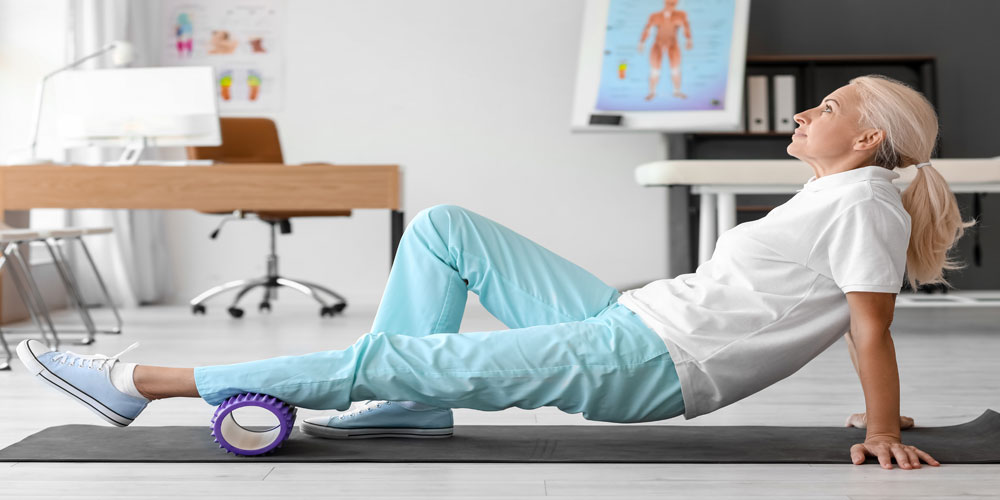
Physical therapy plays a vital role in restoring strength, flexibility, and mobility after an injury. Therapists assess your condition and create customized rehabilitation programs designed to promote safe healing.
In addition to guided exercises, physical therapists educate patients on proper movement patterns to reduce the risk of re-injury. Regular sessions also help rebuild confidence and improve overall performance.
Incorporating physical therapy into your recovery plan can significantly enhance outcomes and support a safe return to activity.
C. Surgery
Surgery may be necessary when conservative treatments are insufficient. It is often used to repair torn ligaments, severe fractures, or other complex injuries.
Advancements in surgical techniques have improved outcomes and reduced recovery times. Post-surgical rehabilitation is crucial and typically includes physical therapy to restore function and strength.
Although surgery can feel intimidating, it often provides athletes with the opportunity to return stronger and more resilient than before.
Alternative Treatment Options
Many athletes explore alternative therapies to complement traditional treatments. These approaches can enhance healing, reduce pain, and improve mobility.
A. Chiropractic Care
Chiropractic care focuses on restoring proper alignment of the spine and joints. This hands-on approach can relieve pain, improve mobility, and promote natural healing.
Chiropractors may also use soft tissue techniques to reduce inflammation and support muscle recovery. Regular care can help prevent future injuries by improving overall body mechanics and movement efficiency.
B. Acupuncture
Acupuncture is a centuries-old practice rooted in Traditional Chinese Medicine. It involves inserting fine needles into specific points to stimulate healing and balance within the body.
For sports injuries, acupuncture may reduce pain, inflammation, and muscle tension while improving circulation. Many athletes also find it beneficial for managing stress and supporting mental well-being during recovery.
C. Massage Therapy
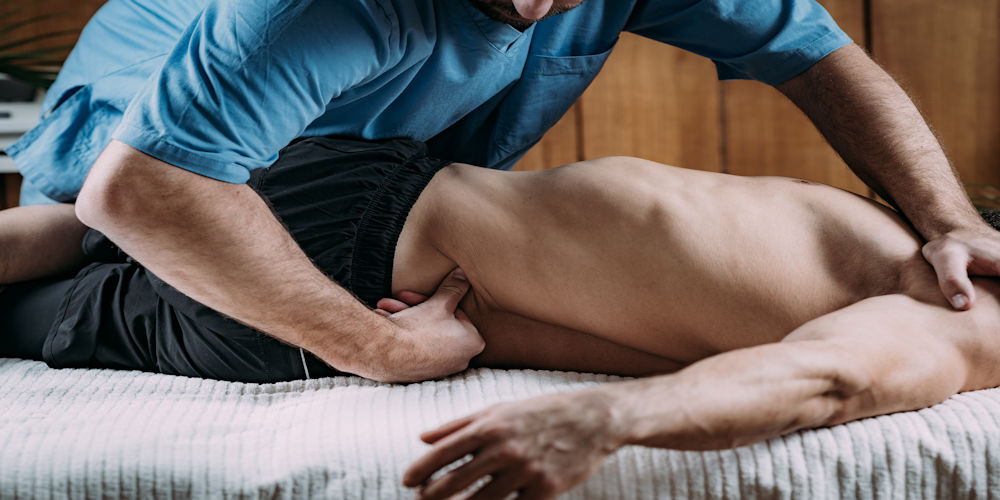
Massage therapy is an effective tool for reducing muscle tension, improving circulation, and promoting relaxation. Techniques such as deep tissue or sports massage target areas affected by injury.
Beyond physical benefits, massage therapy also supports mental health by reducing stress and encouraging relaxation. When combined with other treatments, it can significantly enhance the recovery process.
Prevention Strategies for Future Injuries
Preventing injuries begins with listening to your body. Pain and discomfort should never be ignored.
Proper warm-ups and stretching routines prepare muscles for activity and improve flexibility. Strength training builds resilience and protects joints from excessive strain.
Using correct technique is equally important. Whether running, lifting weights, or playing a sport, proper form reduces stress on muscles and joints.
Cross-training is another effective prevention strategy. Mixing different activities minimizes repetitive stress while improving overall fitness and performance.
Mental Health and Emotional Support During Recovery
The emotional impact of a sports injury is often underestimated. Athletes may experience frustration, anxiety, or isolation during recovery.
Staying connected with friends, family, or support groups provides encouragement and reassurance. Mindfulness practices such as meditation or gentle yoga can also help reduce stress and improve focus.
For some, working with a mental health professional or sports psychologist offers valuable coping strategies tailored to the athletic experience.
Healing takes time, physically and emotionally. Supporting your mental well-being is a vital part of a successful recovery.
The Road to Full Recovery
Recovering from a sports injury requires patience, commitment, and the right support. Understanding your injury and choosing appropriate treatment options are the first steps toward healing.
A comprehensive recovery plan often combines traditional and alternative therapies, guided by healthcare professionals who understand your goals. Equally important is prioritizing mental health and self-care throughout the process.
As you prepare to return to sport, focus on prevention strategies to reduce the risk of re-injury. With proper care, education, and support, recovery becomes an opportunity for growth—both on and off the field.
Every step forward brings you closer to full recovery. Embrace the journey and come back stronger than ever.